Psychology & Social Work Club: A Support System & Community for Students
February 17, 2026 2026-02-17 14:32Psychology & Social Work Club: A Support System & Community for Students
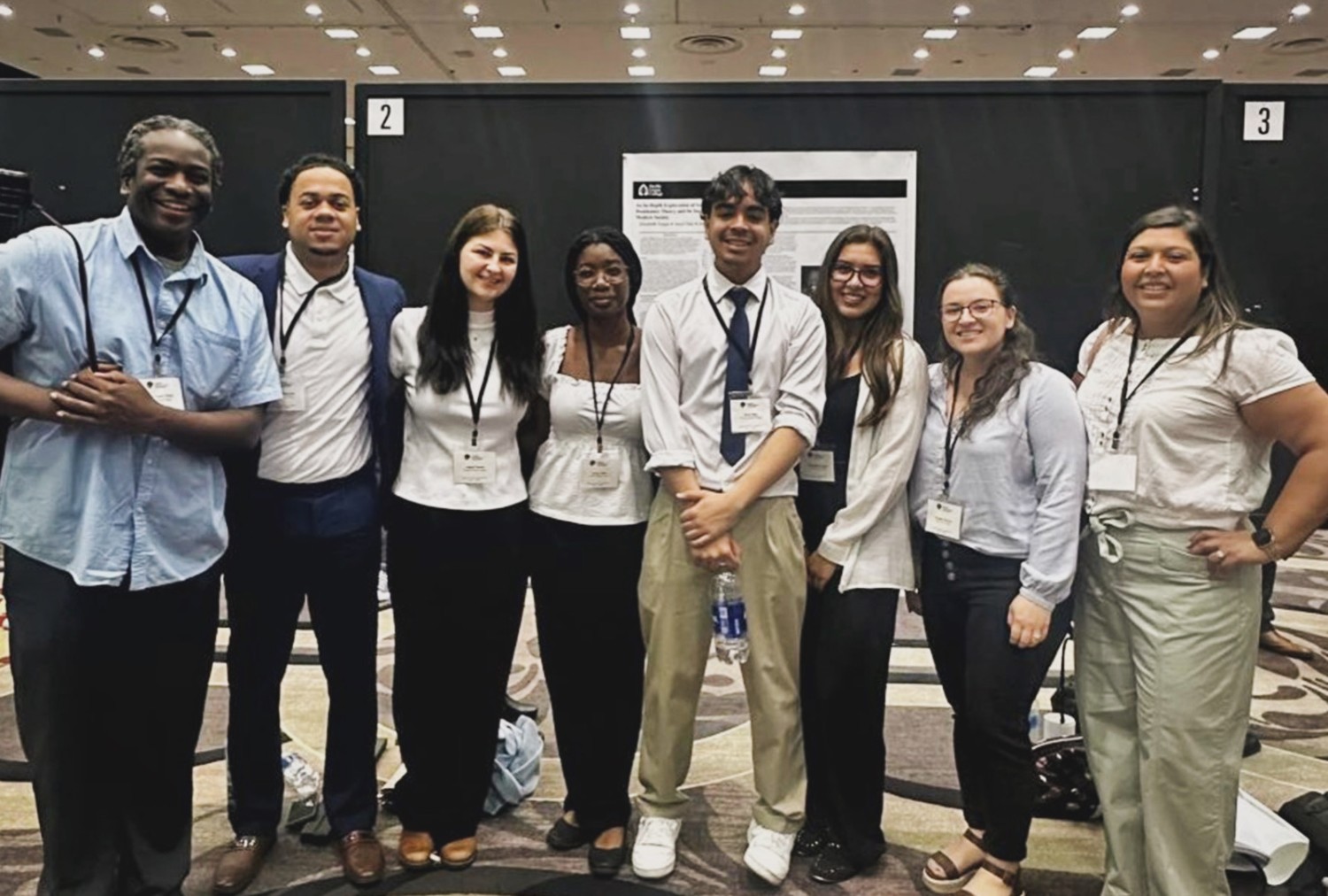
PUC’s Psychology and Social Work Club serves as a community and support system for students who love psychology and social work. Although most members are within the department, some students aren’t in the program but still join because they enjoy social science.
This year’s club president is senior Madison Dietrich, who wants to create a club culture centered on unity, respect, and shared purpose. “Historically, there have been moments where psychology and social work students haven’t always felt equally connected or respected,” she said. “I want to make sure our club feels like a true bridge between both disciplines.”
She continued, “Both psychology and social work are deeply meaningful fields rooted in serving others, understanding people, and solving problems. Although they have differences, we share the same core values: empathy, dedication, and commitment to human well-being.” Madison wants students to recognize that they all bring something valuable to the table, and what matters most is how they serve others and grow into professionals.
Along with building a community and supporting students, the mission of PUC’s Psychology and Social Work Club is to promote well-being and provide fun and meaningful activities. They have organized self-care campaigns, relaxing events, movie nights, and student de-stress and connection events through food and fellowship, and have participated in donation drives and service-focused efforts that support community needs.
The club’s focus is fundraising for the Western Psychological Association, an academic convention where psychology and social work students attend each year to gain exposure to professional opportunities and present research. It’s a wonderful opportunity that PUC’s psychology and social work department has been active in for many years, and they’ve even received awards for their research presentations. Through fundraising, the club helps make this event more affordable and accessible for students who might not have been able to attend without these funds.
“Since PUC is a smaller campus, our club plays an important role in helping students feel connected within the department, supporting one another academically and personally, and creating a welcoming space where people feel encouraged throughout their journey,” shared Madison.
What is it like being president of your club? What do you enjoy the most about being president?
Although I’m still new to the role, being president feels natural to me because I’ve been active in the club for years. I’ve participated in major events like Club Rush and WPA, so stepping into leadership feels like an extension of what I’ve already loved doing as a committed member.
One of the things I enjoy most is helping plan fundraisers and finding ways to make WPA more accessible to students, especially those presenting research or seeking exposure to what research looks like in the field. For example, during Fall Fest, we hosted a dirty soda booth and a make-your-own slime booth, and it was genuinely fun to organize. I love the creativity behind those events and the way they bring students together while supporting a larger purpose.
I also really enjoy working with our leadership team. This year, we have such a strong and supportive group of officers, which makes the experience exciting and collaborative. Our team includes Abiel Irving (VP), Bianca Franco (Social VP), Elizabeth Vargas (Financial VP), and Lia Hidalgo (Religious VP). It’s been a great experience leading alongside them and being surrounded by students I respect both academically and personally. Beyond our officers, many club members contribute ideas and help with planning, and I love how involved and encouraging our club community is.
How is it working with the other officers to give your club members the best experience?
Working with our officer team has been a really positive experience. Because PUC is a small campus, we see each other often, especially within the department, and that makes teamwork feel natural. It doesn’t feel distant or formal; it feels like a real community. Our team is close, motivated, and collaborative, which makes planning events and brainstorming ideas genuinely fun. I’m grateful to be surrounded by officers who care about the club’s mission, bring creativity to planning, and genuinely want to give members a meaningful experience. The friendly culture at PUC also supports a sense of people being welcoming, willing to help, and excited to participate.
What motivated you to become president? How long have you been involved with the club?
I’ve been involved in the Psych and Social Work Club for four years, and it has been a meaningful part of my college experience. When I first arrived at PUC, I was still undecided, and being connected to a department-based community helped me feel grounded and supported. The club gave me a sense of belonging early on and helped shape my identity as a student in the social sciences.
I was also one of the first social work students (Class of 2023) to attend WPA, and that experience had a huge impact on me. I was fascinated by the research environment and chose to attend out of pocket because I believed strongly in gaining that exposure. Seeing what professional research looks like in real life made me realize how important it is for students to have access to those spaces.
I was motivated to become president to strengthen social work representation within the club and across research spaces. When I entered PUC in 2021, social work students were still a smaller group, and many leadership roles were held by psychology students. While that wasn’t negative, it made me recognize that social work students often have to advocate for themselves more in academic settings, especially because there’s still misinformation about how research-based and evidence-driven social work really is.
As a double major, I wanted to help bridge both disciplines and create a space where social work students feel equally represented, valued, and encouraged. More than anything, I believe that students who care about research, whether in psychology, social work, biology, or related fields, should have the opportunity to attend events like WPA and grow academically and professionally.
What do you hope to accomplish as president?
My biggest goal as president is to fundraise as effectively as possible for WPA so more students, especially social work students, can attend. Social work students belong in research spaces, and I want to help normalize that visibility. When I saw a social work student present at WPA, it was genuinely meaningful because it highlighted that our field does belong in professional research environments and that we should continue to claim space there. In addition to WPA fundraising, I also want our club to expand our self-care-focused events and student support activities.
Lastly, I would love to work more closely with the Service Learning and Missions to create opportunities that connect psychology and social work students to service-based experiences because, as future professionals in human services, we should be practicing community engagement and civic responsibility even while we’re undergraduates. I also want to increase overall student participation in WPA across both majors. Research is a huge part of how our fields progress, and it strongly influences graduate programs, clinical practice, and the direction of future interventions and services. I want more students to experience that early so they can feel confident, prepared, and inspired.
What activities or events are planned for this year? Which one are you most looking forward to?
I’m definitely most looking forward to WPA. It’s such a meaningful research experience, but it’s also one of the biggest bonding events for our department. It’s a time where we grow closer as students while also building professional confidence and exposure. For example, during the last WPA in Las Vegas, I had the opportunity to connect more with students like Genesis and Bianca. It was fun traveling together, eating meals as a group, attending our presentations, and hearing different speakers. WPA creates such a strong sense of community, and it feels like both an academic and personal highlight.
I also represent the WPA student council board, so I’m especially excited to see more students motivated to attend. Beyond WPA, I’m looking forward to planning future events and finding ways to incorporate fun, community-building activities during the winter quarter.
What is the best thing about being a part of PUC’s Psychology and Social Work Club?
The best part is the inclusive environment. Our majors are dedicated to growth, self-awareness, and learning how to better understand others. Psychology and social work classes naturally teach empathy, and that carries over into our club’s culture.
I also love that we have members who are not in the department but still choose to join. It says a lot about the kind of people they are. If someone is interested in the social sciences, it usually reflects empathy and a desire to understand others more deeply, and I think that is a meaningful and valuable quality.
Why should students join the club, and how can they join?
Students should join the Psych and Social Work Club because it offers community, support, and connection regardless of major. It’s also a way to directly support student opportunities like WPA and help make research access more affordable and achievable for undergrad students.
To become a part of the club, students can email me so I can add them to the list and the presence app. We will continue to hold fundraising events and community activities, so staying connected through our updates and media is a great way to stay involved. You can follow us on Instagram @pucsocialpsych. We’re always open to welcoming new members at any time!
How can PUC support the Psychology and Social Work Club?
PUC can support our club by recognizing how essential it is to the academic and professional journey of psychology and social work students. While we love having fun and building community, our club also plays a practical, long-term role by helping students access professional research opportunities, such as WPA. The club supports student development through fundraising and community-building, which helps students stay motivated and connected within the department. Supporting this club means supporting student growth and future success.